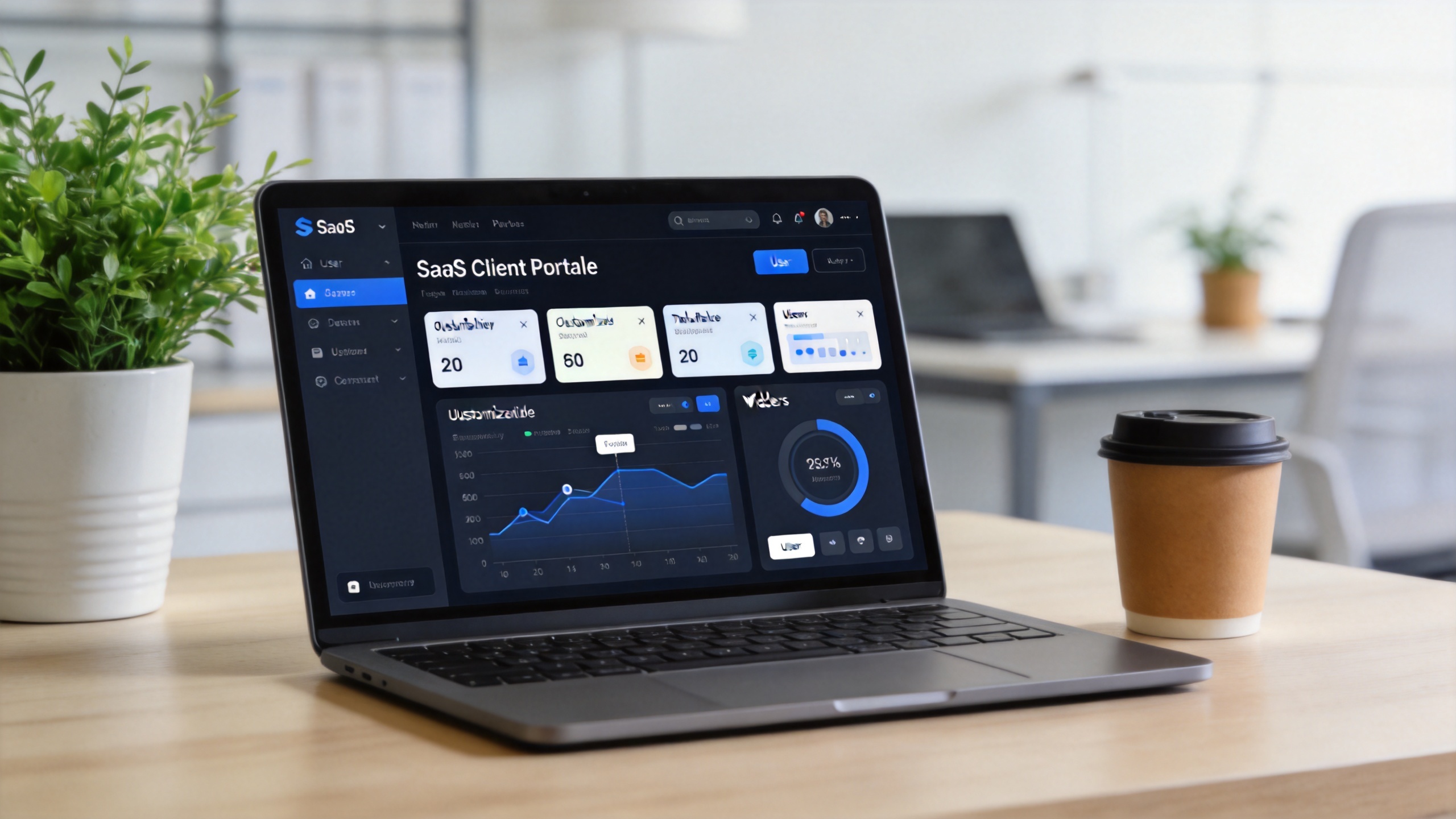
For agencies operating in a competitive digital landscape, the transition from fragmented email threads to a centralized kunden dashboard is no longer a luxury—it is a baseline requirement for client retention. By providing a secure, branded space for communication and reporting, agencies can transform their service delivery from reactive to proactive, ultimately increasing the perceived value of their expertise.
Why this matters
The primary reason to adopt dedicated client portal software is the mitigation of "information asymmetry." When clients cannot see the progress of their projects, they feel anxious, which leads to excessive status-update emails and unnecessary meetings. A well-structured portal acts as a single source of truth, reducing the overhead of manual reporting and ensuring that both the agency and the client are aligned on project milestones and deliverables.
Furthermore, a professional kunden dashboard serves as a powerful retention tool. When a client logs into a platform that carries your agency’s branding, it reinforces your identity as a sophisticated partner rather than a mere vendor. This psychological shift is critical for agencies looking to move upmarket, where professional presentation and data transparency are prerequisites for long-term contracts.
- Reduction in "Where is this at?" emails: Automating status updates frees up your team to focus on high-value billable work.
- Centralized asset management: Eliminate the "lost file" syndrome by keeping all contracts, creative assets, and final deliverables in one secure, accessible location.
- Professionalism: Providing a branded, interactive environment elevates your agency's brand perception compared to competitors who rely solely on attachments in email.
What you will need
Before selecting a platform, you must audit your internal workflows. Many agencies make the mistake of choosing software based on features they "might use" rather than the specific friction points they currently face. If your agency struggles primarily with reporting, tools like AgencyAnalytics or DashThis are essential. If your bottleneck is project management and communication, look toward Stackfield or GoHighLevel.
You will also need a clear definition of your data privacy requirements. Because a kunden dashboard often contains sensitive financial data or proprietary marketing strategies, you must ensure your chosen SaaS platform meets local compliance standards. This is particularly important for agencies working with clients in the DACH region, where GDPR compliance is non-negotiable.
- An inventory of current tools: Identify which apps you are already paying for and whether they offer client-facing modules that you aren't yet leveraging.
- A defined client journey: Map out the stages of your service delivery to understand exactly what the client needs to see at each phase.
- Technical support capacity: Determine if your team has the bandwidth to configure the portal, or if you need a "plug-and-play" solution like HubSpot Service Hub.
Step by step
Step 1: Define the primary function of your dashboard
Not all portals are built for the same purpose. Decide if your kunden dashboard is intended to be a reporting hub, a project management workspace, or a document repository. If your goal is to showcase performance metrics, you should evaluate Kontrollytics or Seitenreport to see how they handle data visualization. If the goal is to manage ongoing tasks, consider Ramp7 or Cliobase for their workflow-centric designs.
Step 2: Evaluate integration capabilities
A portal is only useful if it is populated with accurate, real-time data. Look for platforms that integrate seamlessly with your existing tech stack. For instance, if you rely heavily on ConnectCloud for data handling or FeatValue for specific performance tracking, ensure the portal you choose can pull data from those sources without manual intervention.
Step 3: Implement a "Client-First" onboarding process
Once you have selected your tool, do not simply send a login link and hope for the best. Create a short video walkthrough or a PDF guide explaining exactly how the client should interact with the portal. Frame the kunden dashboard as a benefit to them—emphasizing that it saves them time, provides 24/7 access to their data, and keeps their team in the loop without the need for constant status calls.
The role of reporting in client retention
Reporting is the heartbeat of the agency-client relationship. If your clients are forced to wait until the end of the month for a static PDF report, they are missing out on the agility that modern SaaS tools provide. By utilizing a live kunden dashboard, you allow clients to check in on their KPIs whenever they want. This transparency builds trust, especially during periods of lower performance, as it shows you have nothing to hide.
For agencies that manage complex marketing campaigns, tools such as AgencyAnalytics allow you to automate the delivery of these insights. By moving away from manual spreadsheet updates, you reduce the risk of human error and ensure that your clients are always looking at the most current data.
Balancing transparency with complexity
One of the most common mistakes agencies make is over-complicating the portal. When you first onboard a client, they do not need access to every granular task, internal note, or raw data point. Start by giving them access to the "Big Picture" metrics. As the relationship matures, you can grant them deeper access to specific project files or task boards.
Using platforms like Stackfield allows you to set granular permissions. This ensures that the client sees exactly what they need to see—and nothing more. This "progressive disclosure" approach prevents the client from feeling overwhelmed by the sheer volume of information being managed by your agency.
Customization vs. Standardization
There is a constant tension between wanting a highly customized portal and needing a standardized system that is easy to maintain. While white-labeling is important—ensuring the portal reflects your brand colors and logo—do not sacrifice usability for aesthetic customization.
If your agency is part of a larger ecosystem of tools, look for platforms that offer white-label capabilities as a core feature. This ensures that the transition from your agency website to the kunden dashboard feels seamless. If the user experience (UX) is jarring, clients will be less likely to use the tool, and you will eventually find yourself back in the "email trap."
Leveraging automation for efficiency
The true power of a modern client portal lies in its ability to automate administrative tasks. For example, when a project reaches a specific milestone, the portal can automatically trigger a notification or a request for approval. This removes the need for the account manager to manually email the client for sign-offs.
Platforms like GoHighLevel excel at these types of automated workflows. By building triggers into the client portal experience, you can ensure that documents are signed, feedback is collected, and payments are processed without a single manual email exchange. This is the ultimate goal of agency efficiency: a self-sustaining ecosystem where the portal handles the logistics, and the agency handles the strategy.
Common pitfalls
Many agencies fail to adopt portal software because they view it as an "IT project" rather than a "client relationship project." They spend months configuring the portal, only to find that their clients refuse to log in. This usually happens because the portal offers no immediate value to the client.
- The "Empty Room" effect: If a client logs in and sees nothing but empty folders or outdated data, they will never return. Ensure the portal is populated with high-value information from Day 1.
- Ignoring mobile accessibility: Most clients will check their kunden dashboard on the go. If the interface is not mobile-responsive, the adoption rate will plummet.
- Forcing a tool that doesn't fit: Don't try to force a complex project management tool on a client who only needs a simple reporting dashboard. Match the tool to the complexity of the client’s needs.
- Lack of internal training: If your account managers don't know how to use the portal effectively, they will inadvertently encourage clients to continue using email.
FAQ
How do I encourage clients to use the new dashboard?
The best way is to make the kunden dashboard the default location for all project assets. Stop sending files via email. Instead, send a notification email that says, "Your monthly report is ready for review in the portal," and include a direct link. If they want the file, they have to log in.
Is it expensive to set up a client portal?
While there is an initial time investment, the ROI is significant. Tools like DashThis or AgencyAnalytics offer tiered pricing that scales with your agency. When you calculate the time saved by your account managers, the subscription cost is usually offset within the first two months.
How do I handle clients who refuse to use portals?
Some clients are "email-first" people. For these clients, continue to use email for communication, but use the portal as your internal source of truth. Over time, you can gently nudge them toward the portal by highlighting features that make their lives easier, such as a "one-click approval" button for creative work.
What about security for sensitive client data?
Security is paramount. Always choose platforms that offer Two-Factor Authentication (2FA), role-based access control, and encrypted data storage. If you are handling highly sensitive data, check if the provider offers SOC 2 compliance or other relevant certifications. For more details on this, refer to our guide on Client Portal Security Standards.
Can a client portal improve my agency's billing process?
Absolutely. Many modern portals allow you to integrate invoicing tools or display billing status directly in the dashboard. This transparency helps clients see where they are in their budget, which reduces friction when it comes time to pay invoices.
Conclusion
Transitioning to a dedicated kunden dashboard is one of the most effective ways to scale an agency. By choosing the right SaaS platform—whether it's focused on deep reporting like AgencyAnalytics or comprehensive project management like Stackfield—you are signaling to your clients that you are a modern, professional, and transparent partner. Start small, focus on providing immediate value to your clients, and watch as your account management overhead drops and your client satisfaction scores rise.