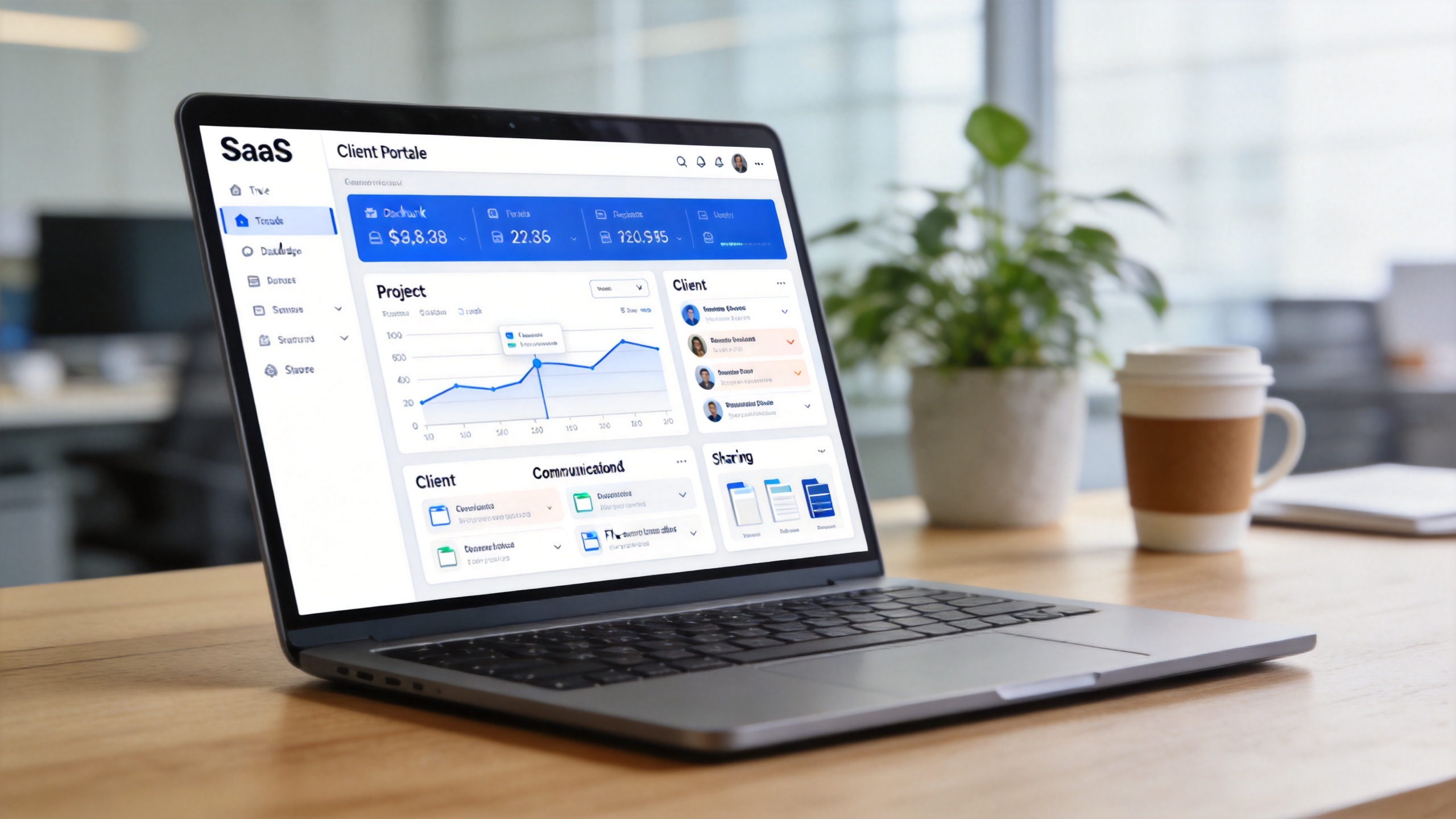
Managing client expectations is the single most important factor in agency growth, yet many teams rely on fragmented email threads and scattered file-sharing links. Implementing a professional Projektmanagement Tool mit Kundenportal allows agencies to centralize communication, project status updates, and deliverables, transforming the client experience from reactive to proactive.
The Short List: Top Tools for Client Collaboration
When you are looking for a dedicated space to house your agency’s client interactions, the market is divided between general-purpose project management suites and specialized client-facing portals. The following platforms are designed specifically for agencies that need to provide a professional, branded interface for their customers.
- [Zendo]: An all-in-one platform that focuses on service sales, client communication, and project management, making it an excellent choice for agencies that want to combine a storefront with a portal.
- [SuperOkay]: A tool built specifically for the "client-facing" side of agency work, focusing on creating beautiful, interactive project hubs that replace messy email chains.
- [Foyer]: A highly secure, white-label client portal solution that emphasizes document management, e-signatures, and secure messaging.
- [awork]: A feature-rich project management tool that includes robust client access features, allowing for seamless integration of tasks and timeline tracking.
- [Exxas]: A comprehensive business management suite that bridges the gap between project management, time tracking, and client-facing transparency.
Neighbourhood Guide: Understanding Portal Categories
Not every platform that claims to be a "portal" offers the same functionality. To choose the right Projektmanagement Tool mit Kundenportal, you must first identify the "neighborhood" your agency operates in. Some tools are built for high-volume task management, while others focus on document security or client reporting.
Task-Centric Portals
These tools are best for agencies that need to show clients exactly what is being worked on. They often feature Kanban boards or Gantt charts that can be shared in a limited, "read-only" or "collaborative" view.
- Best for: Web development, design, and SEO agencies.
- Key features: Task status updates, time tracking transparency, and comment threads.
Document and Delivery Portals
If your agency delivers high-value assets (like legal documents, architectural blueprints, or final video files), you need a portal that prioritizes security and file versioning.
- Best for: Legal consultancies, creative production, and specialized professional services.
- Key features: Secure file uploads, e-signature integration, and granular permission settings.
Reporting and Analytics Portals
Agencies that provide ongoing marketing or performance services often use portals to automate reporting. Tools like [AgencyAnalytics] excel in this space, providing a live dashboard that keeps clients informed without requiring constant manual updates.
Picks by Occasion: Finding Your Perfect Match
Selecting a tool is rarely about finding the "best" software; it is about finding the one that fits your agency's specific workflow. Here is how to choose based on your current operational needs.
When you need to scale client onboarding
If your agency is growing quickly, you need a tool that standardizes the intake process. [Zendo] is particularly effective here, as it allows you to define service packages and move clients directly from a purchase to a project space. This removes the friction of manual setup.
When you need to replace email for project updates
If your team is drowning in "any update on this?" emails, [SuperOkay] is a top-tier choice. It allows you to create a "client hub" where you can embed project roadmaps, links to external assets, and status trackers in one persistent URL that the client can bookmark.
When your agency focuses on time-billed projects
For agencies that bill by the hour, transparency is key to client trust. Using a tool like [awork] or [Troi] allows you to give clients visibility into how time is being spent on their projects. This proactive transparency often leads to fewer billing disputes and higher client retention.
Know Before You Go: Essential Integration Features
Before committing to a subscription, it is vital to understand how the platform will integrate with your existing tech stack. A Projektmanagement Tool mit Kundenportal is only useful if it doesn't create a new silo of data that your team refuses to update.
- Single Sign-On (SSO): Does the tool support easy login for your clients? If the login process is too complex, clients will revert to email.
- White-labeling: Can you remove the software vendor's branding? For a premium agency feel, using your own domain and logo within the portal is non-negotiable.
- Permission Granularity: Can you control exactly what each client sees? You must be able to hide internal notes, private tasks, and sensitive financial data while exposing project timelines and deliverables.
- API and Webhooks: Can the portal talk to your CRM or accounting software? Seamless data flow between your portal and your billing system (like [Harvest]) is essential for operational efficiency.
The Role of Communication in Portals
A portal is not just a file repository; it is a communication channel. The most successful agencies use their portal to set the "rules of engagement." By moving conversations out of Slack or email and into the portal, you create an audit trail of every decision made.
- Contextual Comments: Ensure the tool allows commenting directly on tasks or documents.
- Notification Management: Allow clients to choose their notification frequency so they aren't overwhelmed by minor task updates.
- Historical Archive: Ensure that when a project ends, the client still has access to the history of the conversation and deliverables, which adds long-term value to your service.
Security Considerations for Agency Portals
When you invite a client into a portal, you are inviting them into your digital infrastructure. Security cannot be an afterthought. This is where specialized tools like [Foyer] shine, as they are built with compliance and data protection as a core feature.
- Two-Factor Authentication (2FA): Mandatory for both your team and your clients.
- Encryption at Rest and in Transit: Ensure the platform uses modern standards for data storage.
- Access Logs: You should be able to see who accessed which file and when. This is critical for agencies handling sensitive or proprietary client data.
Streamlining Operations with Automation
The ultimate goal of using a Projektmanagement Tool mit Kundenportal is to reduce the administrative burden on your project managers. Automation features allow you to trigger actions based on client input.
- Automated Status Updates: When a task is marked "Complete" in your internal system, the portal should automatically notify the client.
- Self-Service Documentation: Use the portal to store "How-to" guides or project briefings that clients can access without waiting for a reply from your team.
- Lead-to-Project Flow: Tools like [LeadTable] can help manage the transition from prospect to active client, ensuring that the project setup process is automated as soon as a contract is signed.
The Future of Agency-Client Collaboration
The market is shifting toward "Client Experience Platforms" (CXP). Rather than viewing project management and client portals as separate entities, the industry is moving toward unified platforms that handle everything from the initial lead capture to the final project delivery and reporting.
- AI-Powered Summaries: Expect to see more tools that summarize project threads for clients, giving them a "TL;DR" of the week's progress.
- Integrated Billing: We are seeing a trend where tools like [Exxas] integrate project management directly with invoicing, allowing clients to pay for milestones directly within the portal.
- Mobile-First Access: As agency work becomes more remote and mobile, the portal must be as easy to use on a phone as it is on a desktop.
FAQ: Frequently Asked Questions
What is the primary benefit of a client portal for an agency?
The primary benefit is the reduction of "administrative noise." By centralizing communication and project status, you eliminate the need for constant status update emails, allowing your team to focus on high-value billable work rather than managing inboxes.
How do I convince my clients to use a new portal?
Position the portal as a benefit to them. Frame it as "a dedicated space where you can see all your project files, status updates, and invoices in one place, 24/7." When clients realize they no longer have to search through their email for a link you sent three weeks ago, adoption rates will skyrocket.
Can I use a general PM tool instead of a dedicated client portal?
Yes, many agencies use tools like [awork] or [Troi] for both internal and external work. The key is ensuring that the tool has robust "Guest" or "Client" permission settings. If the tool lacks these, you risk accidentally exposing internal-only tasks or sensitive team discussions to your clients.
Is white-labeling worth the extra cost?
For agencies charging premium rates, yes. A white-labeled portal that uses your own URL (e.g., `portal.youragency.com`) reinforces your brand identity and makes the client feel that they are interacting with your proprietary system, rather than a third-party software provider.
How do I handle the transition to a portal for existing clients?
Do not try to switch everyone at once. Start with one or two new projects. Create a "Portal Onboarding" document that explains how to log in, where to find files, and how to communicate. Once you’ve ironed out the process, roll it out to your long-term clients during their next project renewal.
Does a client portal replace the need for an email?
It replaces the need for project-related email. You will still use email for initial outreach, formal contracts, and high-level relationship management. However, the day-to-day "nitty-gritty" of the project should live exclusively in the portal to maintain a clean record of truth.
Conclusion
The shift to a Projektmanagement Tool mit Kundenportal is a hallmark of a maturing agency. It signals to your clients that you value their time, prioritize security, and maintain an organized, professional workflow. While the initial setup requires time and process adjustment, the long-term gains in client satisfaction, reduced administrative overhead, and improved project transparency are undeniable. Whether you choose a specialized tool like [Zendo] or [SuperOkay], or a broader management suite like [awork] or [Exxas], the key is to prioritize a platform that aligns with your specific agency culture and operational needs. Start small, test your workflows, and watch how a centralized hub transforms your client relationships.